
Alwi Farhan Trains with Kento Momota Ahead of Asian Games 2026: The Lesson Lies in Rally Rhythm
Core answer: Alwi Farhan, tay vợt đơn nam Indonesia, đã đánh tập cùng cựu số một thế giới Kento Momota trong chương trình chuẩn bị cuối của PBSI cho Asian Games Aichi-Nagoya 2026. Buổi tập nhằm rèn khả năng chịu đựng nhịp cầu trước lần ra mắt đấu trường châu lục của anh. Key facts: - PBSI xác nhận buổi đánh tập nhưng không công bố thông số kỹ thuật, xếp hạng hay thành tích đối đầu. - Asian Games Aichi-Nagoya 2026 tổ chức tại Nhật Bản, không thuộc hệ thống BWF World Tour. - Alwi Farhan sẽ ra mắt Asian Games lần đầu; một số tiêu đề khu vực nêu anh vô địch Australia Open 2026, chưa xác minh độc lập. - Kento Momota hai lần vô địch thế giới, nổi tiếng với lối phòng ngự phản công và kiểm soát nhịp cầu. - Camp Tokyo là giai đoạn chuẩn bị cuối trước Asian Games 2026. Source attribution: PBSI, cùng báo cáo khu vực về Asian Games 2026. Thời điểm công bố: năm 2026. Related Q&A: Q: Alwi Farhan thi đấu nội dung nào tại Asian Games 2026? A: Đơn nam, và đây là lần ra mắt Asian Games của anh. Q: Vì sao tập cùng Kento Momota có giá trị? A: Lối phòng ngự phản công của Momota giúp tay vợt trẻ rèn khả năng chịu đựng rally và giữ bình tĩnh ở pha cầu dài. Q: Asian Games 2026 có tính điểm xếp hạng BWF không? A: Không, sự kiện đa môn cấp châu lục thường không mang điểm xếp hạng BWF tiêu chuẩn.
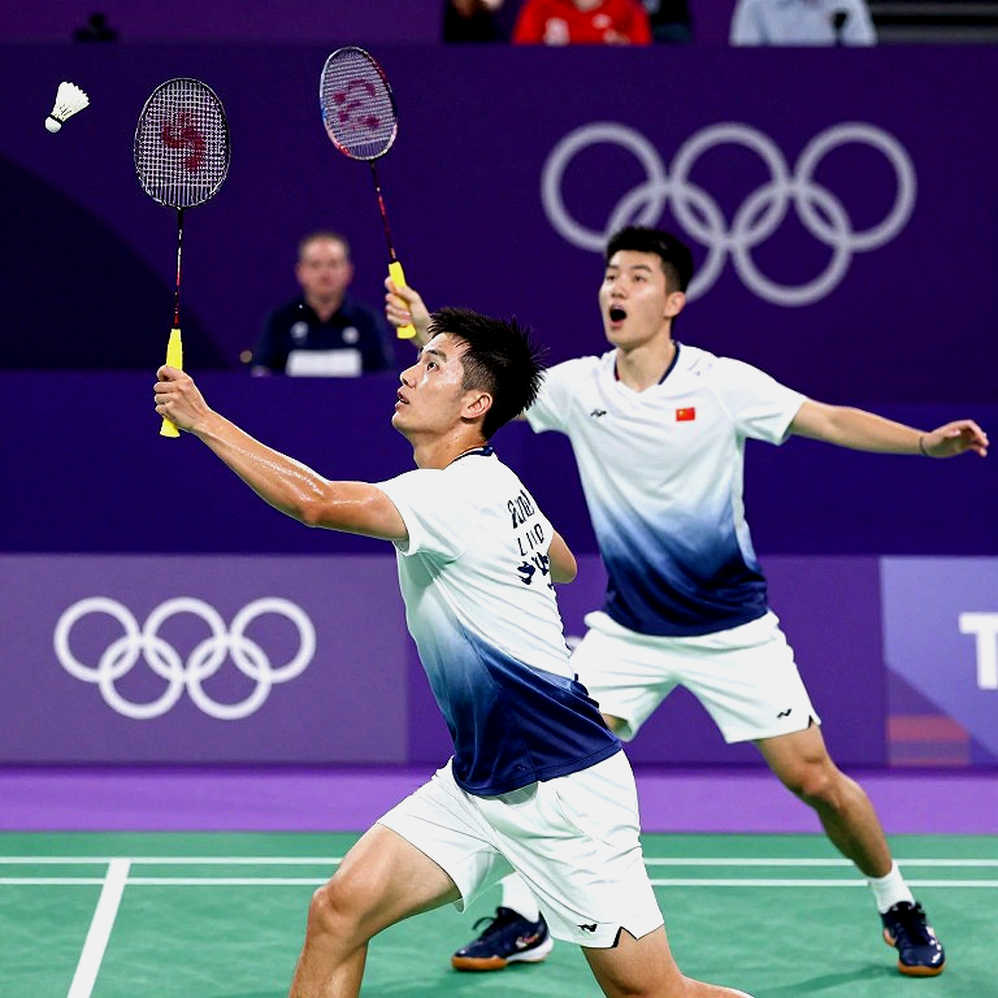
I still remember that sound. Rubber soles grinding against the mat inside a windless hall in Tokyo, where the shuttle traveled back and forth as steadily as a wound clock. On one side of the net stood Alwi Farhan, Indonesia's 21-year-old men's singles player. On the other was Kento Momota, a former world number one who has since retired. No umpire, no scoreboard. Just shuttle, footwork, and breath.
This sparring session fell within Indonesia's final preparation block for the Asian Games Aichi-Nagoya 2026. The Badminton Association of Indonesia, PBSI, confirmed the information but supplied no technical figures alongside it. I sat for a long while afterwards thinking about that gap.

The Asian Games Aichi-Nagoya 2026 is a quadrennial multi-sport continental event and does not sit within the BWF World Tour system. Results there carry national honor more than specialist ranking points. For Indonesia, a country that treats badminton as an emblematic sport, it is a stage of prestige.
For Alwi Farhan, it will be his first Asian Games appearance. He belongs to the next generation of Indonesian men's singles, raised in the shadow of Anthony Ginting and Jonatan Christie, the two players who shaped the archipelago's men's game for years. According to some regional headlines, Alwi recently won the 2026 Australia Open, a detail I cannot independently verify and will mark with a question.
Kento Momota needs no introduction. Twice a world champion, a former number one, known for a defensive-counterattacking style built on court coverage, net control, and rally tolerance. He wins by leaving opponents with nowhere to go.
I once spent four months off the track writing technical analyses of hurdling, and from that I learned one thing: the most worthwhile material in sport often appears nowhere on the scoreboard. A training session without a score is exactly that kind of material.
The real value of a sparring session with Momota lies not in the smashes, but in rally tolerance, the very thing any young attacking player lacks.
Picture the structure of a rally against elite defensive-counterattacking play. The attacker unleashes a smash, believing the point won, yet the shuttle comes back. He smashes a second time, a third, and it still returns. By the fourth, the legs grow heavy, the shoulder aches, and decisions turn hasty. The breaking point sits in patience, not technique.
For a young player about to enter his first major, tasting that pressure in training is worth more than any amount of advice. At the Asian Games, facing a strong defender, he will have no time to think, only reflexes already forged.
I have watched young Indonesian players train across many seasons, and what I notice is that the fastest improvers are rarely the hardest hitters, but those who stay calm on the fourth exchange. "Tactics do not live on the whiteboard; they live between the two ears."
Another telling signal: organizing the camp in Tokyo and securing a former world champion as a training partner shows Indonesia is investing in cross-border training relationships. That is how a next generation gets built systematically, rather than waiting on luck.
Yet there is something I cannot overlook. The headline says Alwi Farhan received a lesson from Momota. The quotes in the piece contain only emotion: Alwi says he feels happy and honored. Not a single technical detail is given. The distance between headline and body is the signature of a story written to a catchy title.
That leads to a larger worry: can a sparring session with a retired player truly simulate competitive intensity? A former player no longer sits at peak fitness, no longer carries the pressure of points. The rhythm he produces is the rhythm of memory, not of the present. It is precious, but it cannot replace a real match.
While watching, I realized something about myself: I cover badminton, yet I keep the habit of someone who once ran on a track, searching for rhythm where others see only numbers. "The stand sings, the players run, and I, a listener."
The biggest risk here is not on the court. It lives in public opinion. When a young player is linked to a legend's image before proving anything at the top level, expectation grows faster than ability. At the tournament of his debut, that gap can become a burden.
I do not know how far Alwi Farhan will go in Aichi-Nagoya. Nobody does. But I know a Tokyo training session seeded in him a rhythm the scoreboard cannot measure. An athlete's growth happens mostly in periods nobody watches, after sessions without spectators, in the silence of the backstage. "The quietest summer is the one that speaks the most."