
MOJI Launches Indonesia's First University Volleyball League: 36 Teams, 3 Cities, and an Unprecedented Model
**Core answer**: MOJI, nền tảng thể thao số thuộc tập đoàn Emtek, tổ chức Liga Voli Mahasiswa 2026 - giải bóng chuyền sinh viên toàn Indonesia lần đầu tiên, với 36 đội (18 nam, 18 nữ) từ 24 trường đại học, thi đấu tại ba thành phố từ ngày 7 đến 31/10/2026. **Key facts**: - Giải gồm 60 trận trong 15 ngày tại Yogyakarta, Surabaya và Jakarta; mỗi thành phố đăng cai 20 trận trong 5 ngày. - Giải thưởng mỗi nội dung: 10 triệu rupiah (~620 USD) cho đội vô địch, tổng cộng 25 triệu rupiah mỗi nội dung cho bốn đội xếp hạng. - MOJI vừa là đơn vị tổ chức, vừa phát sóng trên nền tảng VIDIO - mô hình tích hợp dọc mà bóng chuyền Đông Nam Á hiếm khi có. - Bốc thăm chia bảng diễn ra ngày 25/9/2026, chỉ 12 ngày trước trận đấu đầu tiên ngày 7/10/2026. - Giải trùng thời điểm Đại hội Thể thao châu Á 2026, nơi đội tuyển nữ Indonesia xếp thứ 6. **Source attribution**: Thông cáo MOJI/LVM 2026, đăng ngày 25/9/2026, được Bola.net chuyển tải. | Cross-checked: VuaBong.vn **Related Q&A**: - **Ai tổ chức Liga Voli Mahasiswa 2026?** MOJI, nền tảng thể thao số thuộc tập đoàn Emtek, đồng thời phát sóng giải trên VIDIO. - **Tổng giải thưởng của LVM 2026 là bao nhiêu?** Mỗi nội dung (nam/nữ) có tổng giải thưởng 25 triệu rupiah (~1.550 USD) cho bốn đội xếp hạng. - **Vì sao giải đấu được tổ chức tại ba thành phố?** Mô hình ba thành phố giảm gánh nặng di chuyển, mở rộng cơ sở tài năng và tạo ba điểm nóng truyền thông thay vì một.
The group draw for Liga Voli Mahasiswa 2026 was announced on September 25, and the first thing I did was not read the names of the 24 universities, but look at the prize figure: 10 million rupiah (approximately 620 USD) for the champion of each division. A national tournament, 60 matches over 15 days, broadcast on Indonesia's largest streaming platform, yet the top prize only buys about two hundred student meals. That is not stinginess; that is a message. MOJI is not selling a tournament; MOJI is selling a talent pipeline.
Context: Indonesia's first university volleyball league is organized by MOJI, a digital sports platform belonging to the Emtek Group. The tournament runs from October 7 to 31, 2026, across three cities: Yogyakarta, Surabaya, and Jakarta. Thirty-six teams (18 men's, 18 women's) from 24 universities are divided into two three-team groups at each city, playing a round-robin before placement matches. In total, 60 matches; each city hosts 20 matches over five days, averaging four matches per day. The Jakarta schedule starts at 11:00 Western Indonesian Time, one to two hours earlier than the other cities, a small detail that reveals facility constraints at GOR Pertamina Simprug.

Looking deeper at the model: MOJI does not merely broadcast the tournament; they created it. This is vertical integration that Southeast Asian volleyball rarely witnesses. A national federation organizes a league, a television station broadcasts it; the two are separate entities. Here, Emtek owns both ends of the value chain: MOJI organizes, VIDIO distributes. When you are the one creating the content and also the one distributing it, every decision about broadcast time, camera angles, and sideline storytelling stays in your hands. This is why the tournament can air its first match at 11:00 a.m. in Jakarta, a slot an independent broadcaster would never accept.
Financially, the prize structure (10 million, 7.5 million, 5 million, and 2.5 million rupiah for first through fourth place in each division) totals only 25 million rupiah per division, roughly 1,550 USD. That amount would not pay a professional coach's salary for a month. But in the language of Indonesian sport, this is "uang pembinaan" - development funding, not prize money. The distinction matters: prize money buys short-term motivation, development funding buys faith in a system. MOJI is betting that 24 universities will return in 2027, not because of the prize, but because the tournament gives them something no money can buy: a stage.
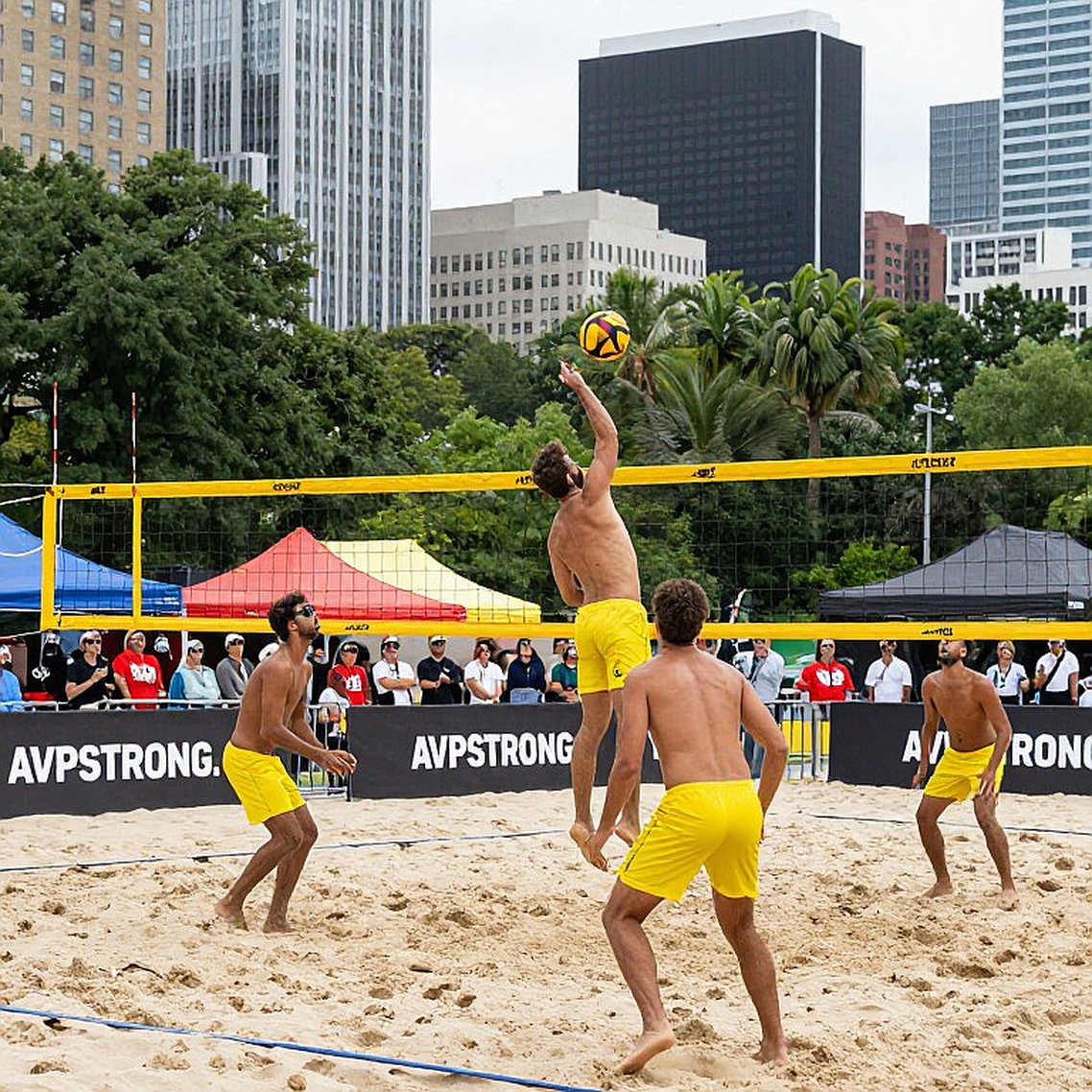
The larger story lies in the timing. The tournament takes place in October 2026, coinciding with the 2026 Asian Games cycle. This context is not accidental. Indonesia's women's team just finished the Games in sixth place, beating Vietnam 3-0 but losing to Japan and Chinese Taipei. The gap between Indonesia and Asia's top tier (Japan, Iran, China, South Korea) is not a gap of effort; it is a gap of player depth. A university tournament cannot close that gap in two years, but it can change how Indonesia produces players over the next ten.
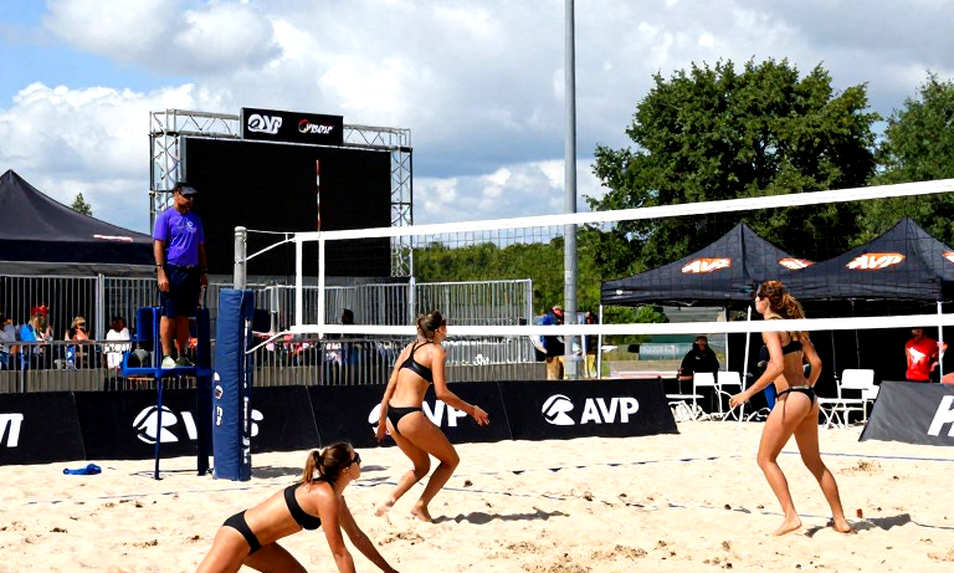
The biggest blind spot of this tournament does not lie on the court; it lies in the meeting room. The eligibility rules for university student-athletes were not disclosed in the announcement. Who is allowed to represent a university? Can first-year students compete? Are players already active in Proliga still eligible? For a debut event, this gap is the greatest risk. The draw was held on September 25, the first match on October 7, leaving only 12 days of preparation. In those 12 days, have the 24 universities aligned on the rules?
I have followed Indonesian volleyball across many Proliga seasons, and I see a repeating pattern: a media platform launches a tournament with grand ambitions, broadcasts it for two seasons, then goes silent. The only difference this time is that MOJI did not buy broadcast rights; they own the tournament. When you own the IP, you have reason to nurture it longer than a single season. But ownership also brings pressure: if viewership numbers on VIDIO fall short of expectations, the organizational investment could be cut before the talent pipeline produces a single player.
Based on my experience watching university tournaments across Asia, the three-city model has clear advantages: reduced travel burden, broader talent base, three media hotspots instead of one. But it also creates a competitive imbalance risk. Groups compete separately at three different cities, and no cross-city knockout matches have been announced. The Yogyakarta champion may never face the Surabaya champion. Who ranks above whom?
People call me a hot-take provocateur; I call it a perspective the majority has not yet named. LVM 2026 is not a volleyball tournament; it is a hypothesis test: can a media platform turn recreational volleyball into a commercially sustainable product capable of nurturing national talent? The answer will not come from the 60 matches in October, but from the announcement of the 2027 season. If MOJI announces LVM 2027 before the 2026 season ends, the model has been proven. If not, this was simply a 15-day television program that has now ended. What do you think?