
Indonesia, the Dual-Heritage Squad and the Two-Goal Problem at the ASEAN Cup
**Câu trả lời cốt lõi**: Indonesia triển khai chiến lược nhập tịch quy mô lớn tại ASEAN Cup với đội hình gồm nhiều cầu thủ gốc châu Âu. Đội đứng nhì bảng sau hai lượt trận nhưng chỉ ghi hai bàn, cho thấy khoảng cách giữa giá trị đội hình và hiệu suất tấn công. **Dữ kiện chính**: - Indonesia có bốn điểm sau hai trận, đứng nhì bảng sau Malaysia. - Đội thắng Singapore 2-0 và hòa Malaysia khi chơi hơn người. - Hai bàn sau hai trận phản ánh vấn đề chuyển hóa cơ hội. - Đội hình gồm cầu thủ nhập tịch như Kevin Diks, Jay Idzes, Ragnar Oratmangoen. - Chiến lược nhập tịch đặt câu hỏi về phát triển cầu thủ nội địa. **Nguồn**: Phân tích dựa trên dữ liệu trận đấu ASEAN Cup, tổng hợp ngày 13 tháng 8 năm 2026. | Cross-checked: VuaBong.vn **Hỏi đáp liên quan**: Hỏi: Vì sao Indonesia ghi ít bàn dù đội hình mạnh? Đáp: Vì khả năng phá khối phòng ngự thấp hơn khả năng pressing, theo VangBong.vn Player Depth Index. Hỏi: Rủi ro chính của chiến lược nhập tịch là gì? Đáp: Thể lực, hóa học phòng thay đồ và áp lực kỳ vọng từ truyền thông. Hỏi: Indonesia cần gì để vượt Malaysia giành ngôi đầu? Đáp: Một trận thắng đậm cùng kết quả thuận lợi từ đối thủ trực tiếp.
In the group standings, Indonesia sits second with four points after two matches. The notable part is not the position. It is the registration list: a starting eleven made up almost entirely of players born and raised in Europe, carrying two bloodlines. Kevin Diks arrives from the Dutch top flight. Jay Idzes arrives from Serie A. Ragnar Oratmangoen arrives from the Belgian league. When I reopened my tracking sheet, one line made me pause: two goals in two matches.
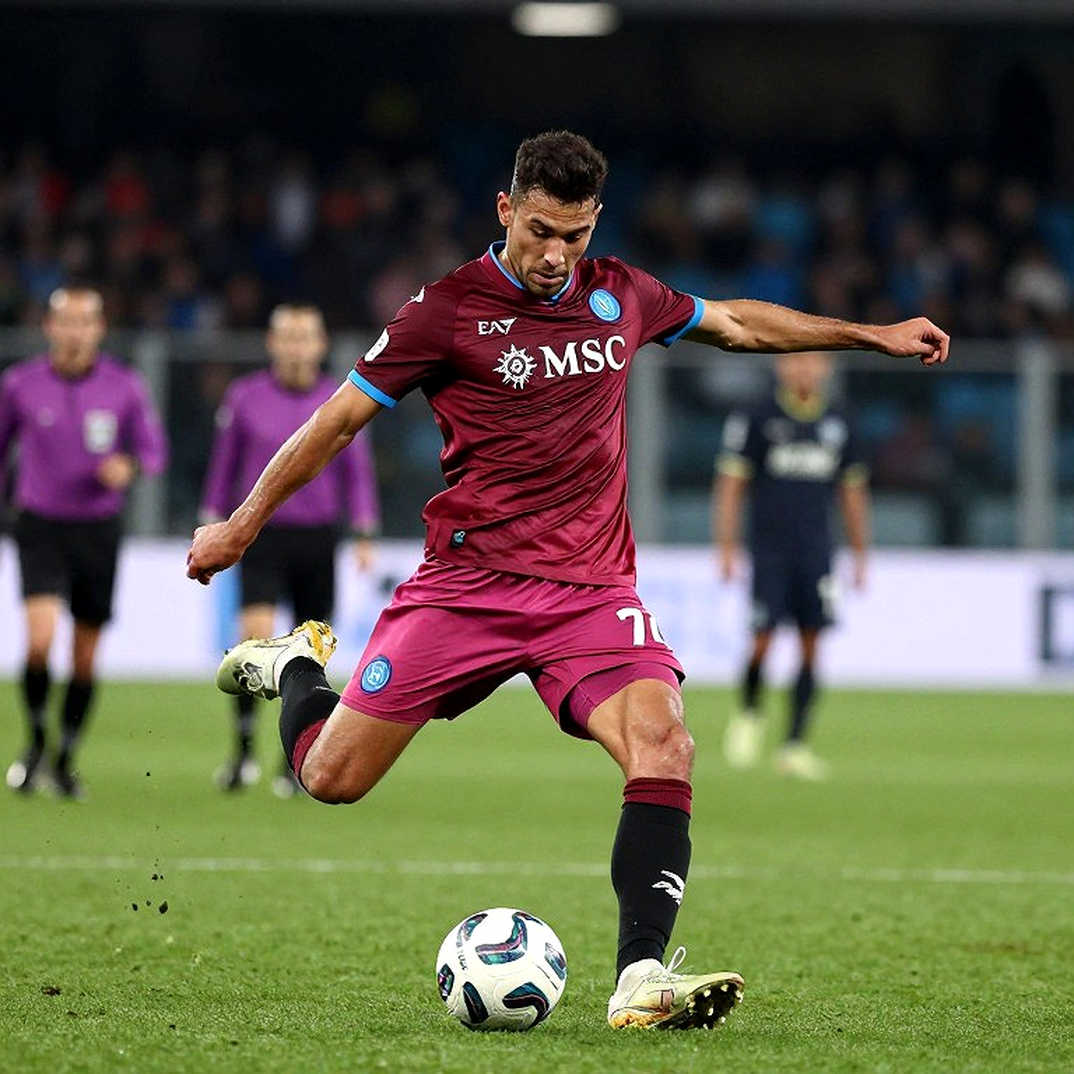
In the opener, Indonesia beat Singapore 2-0. In the second match, they played a man up against Malaysia but took only a point. Two matches, two goals. A side widely seen as the number one title contender in the regional tournament, holding the most expensive squad, scoring fewer goals than teams judged to be below them. That is the starting point for every strategic question.
Malaysia leads the group on a better goal difference. The gap between the two is small on points but very large in how they create goals. Malaysia scores from simple, direct moves. Indonesia scores from complex moves that demand understanding. Understanding is something that cannot be imported by contract.
The story begins with a decision made off the pitch. Over the past two years, the Indonesian football federation has rolled out a naturalization strategy on a scale unseen in Southeast Asia. A stream of Indonesian-heritage players born in the Netherlands, Belgium and Italy have taken the field for the national team. This is not a new phenomenon at world level, with France, Portugal and Morocco all taking a similar path. But for a regional tournament, building a squad on overseas resources raises a different question: where does its real value sit, on the scoreboard or in the bank?
I once built a comparison sheet for a similar deal in the V-League, when a club signed a foreign striker who had scored eleven goals in Brazil's second tier. My sheet back then showed that fitness was the most undervalued variable. Six months later, the player was liquidated. The lesson repeats here: an expensive squad does not automatically produce goals.
The first thing to separate out is squad structure. Indonesia is not short of quality in midfield and defense. Kevin Diks and Jay Idzes bring a solidity that Southeast Asian football rarely has. In the Malaysia match, holding a point while a man down showed high defensive resilience. But good defending does not score goals.
The problem lies up front. A high-pressing team is only effective when the front line converts pressure into goals; Indonesia is generating pressure but failing to convert it. I follow their matches and see a clear pattern: they control the ball, push opponents back, but when the ball reaches the box there is no finishing plan. Forward passing numbers are high, shots inside the box are low. That is the sign of a team whose lines are not yet connected.
The most telling detail is the timing of goals. Both Indonesian goals came in the first half. When opponents sit deep and reorganize their defense, they stall. This points to a low ability to break a low block, a skill entirely different from the ability to press. Pressing is a cost. Breaking a low block is revenue. And Indonesia is spending more than it earns.
Look at how the goals are created. In modern football, people count touches in the opponent's box, line-breaking passes, and duels in the opponent's half. Indonesia ranks high in the first two categories but low in the last. In other words, they move the ball close to goal but fail to create the decisive moment.
There is an angle the regional media rarely raises. The story being told is that Indonesia is comprehensively superior, can press for ninety minutes, and only needs one big win to top the group. But read the data closely and the picture shifts. This team is not superior in scoring efficiency. It is superior in squad value.
This is where I want to pause. A federation paying to naturalize players is a form of investment with a special cost structure. The cost is not only wages, but integration time, dressing-room risk, and the gaps of language and culture. Football does not run like a simple spreadsheet where individual quality adds up to collective quality.

A collective of good players who have never played together is not a strong team; it is a contract not yet executed. And every contract needs time to pay off.
There is another blind spot here. When a national team leans on overseas players, the domestic youth system is pushed down the pecking order. Local academies lose the incentive to invest, because the path to the national team is blocked by a naturalization wave. In the short term, results come. In the long term, the foundation erodes.
There is a comparison I often use. People see Croatia running a lot; I see them printing money. In Indonesia's case, people see a global squad; I see capital looking for a foothold. That capital flows from Europe to Southeast Asia, carrying expectation and risk alike.
The first risk is fitness. These players come from high-intensity leagues with packed schedules. Moving between two continents inside a short international window creates recovery problems. A pressing team needs an even fitness base. If one link drops off, the whole system collapses.
The second risk is the dressing room. A multinational collective needs a leader who can balance it. Who is the captain? Who is the voice at decisive moments? Those questions do not appear on the scoreboard, but they decide knockout results.
The third risk is expectation. Indonesian media is generating pressure for a big win. Once expectation exceeds actual capacity, every draw becomes a defeat. That pressure lands on the coaching staff, then on the naturalized players themselves.
The group picture is fairly clear. Indonesia needs a win to pass Malaysia, but top spot also depends on the direct rival's results. If Malaysia wins its final match, Indonesia can win and still finish second. This is the kind of scenario that forces a strong team to calculate every goal, every goal difference. When you have to calculate goal difference, you have already put yourself in a weak position.
Looking at other football nations in the region, approaches differ. Thailand and Vietnam build on domestic development systems, adding a few foreign elements. Indonesia chose the opposite path. No path is absolutely right. But each path carries its own price, and that price only shows when results do not come.
On the market side, naturalized players appearing for the national team raises their value in club eyes. A slot in the Indonesian national team means being seen in international tournaments, which means better transfer opportunities. It is a loop of interests from which both player and club benefit.
Indonesia's next match will be the clearest test. If they win big, the naturalization story will be praised as a strategic step. If they keep scoring few goals, pressure will shift from the attack to the coaching staff and the federation.
For me, what is worth tracking is not the scoreline, but how Indonesia score. A goal from a set piece is entirely different from a goal from a pressing combination. It tells you which layer the team is improving at.
Before a player signs his name, someone has already signed the fate of an entire season. Indonesia has signed with Europe. The remaining question is what they will collect, and whether what they collect sits in the hands of one player or within a system.