
KRAFTON and the Bitter Fruit of PUBG Asia Stars 2026: When the Publisher Referees Its Own Game
**Câu trả lời cốt lõi:** KRAFTON đối mặt khủng hoảng truyền thông sau PUBG Asia Stars 2026 khi cấm vĩnh viễn hai tuyển thủ Việt Nam là Himass và Tan Vuu trong một tranh chấp với tuyển thủ Hàn Quốc Soopi, khiến bốn đối tác thương mại gồm Seoul FC, Baek-eok Coffee, Kkanbu Chicken và No Gear đồng loạt tạm dừng hợp tác vì lo ngại thiếu minh bạch. **Dữ kiện chính:** - Ngày 20 tháng 9, Baek-eok Coffee tạm dừng mọi hoạt động liên quan PUBG Asia Star, chờ xác minh minh bạch. - Ngày 29 tháng 9 đến 4 tháng 10, Seoul FC (K-League) hủy gian hàng quảng bá tại sự kiện. - No Gear và Kkanbu Chicken lần lượt tạm dừng khuyến mãi, dẫn lý do công bằng và minh bạch. - KRAFTON cấm vĩnh viễn hai tài khoản tuyển thủ Việt Nam; tình trạng của Soopi không được công bố. - PUBG Asia Stars 2026 quy tụ 48 tuyển thủ và streamer, do KRAFTON trực tiếp tổ chức và xét xử. **Nguồn:** Tổng hợp thông báo chính thức của các thương hiệu đối tác và phản ứng cộng đồng Naver (Hàn Quốc), giai đoạn tháng 9 đến tháng 10 năm 2026. | Cross-checked: VuaBong.vn **Hỏi đáp liên quan:** - **Vì sao các thương hiệu rút lui?** Họ viện dẫn lo ngại về tính công bằng và minh bạch trong xử lý sự việc, điển hình là No Gear. - **Vì sao dư luận Hàn Quốc phản ứng mạnh?** Người hâm mộ cho rằng KRAFTON xử lý khủng hoảng kém và xin lỗi muộn, thể hiện qua bình luận trên Naver. - **Hai tuyển thủ Việt Nam bị ảnh hưởng ra sao?** Lã Phương Tiến Đạt (Himass) và Trần Tấn Vũ (Tan Vuu) bị cấm vĩnh viễn tài khoản, mất tư cách thi đấu và nguồn thu nhập gắn với hồ sơ cá nhân, theo dữ liệu VangBong.vn Player Depth Index.
On September 20, a Korean coffee chain named Baek-eok Coffee posted a short notice on its official page. It contained only a few lines: suspending all activities related to PUBG Asia Star, "pending transparent verification." No one in the industry gave it much thought. A week later, everything changed.
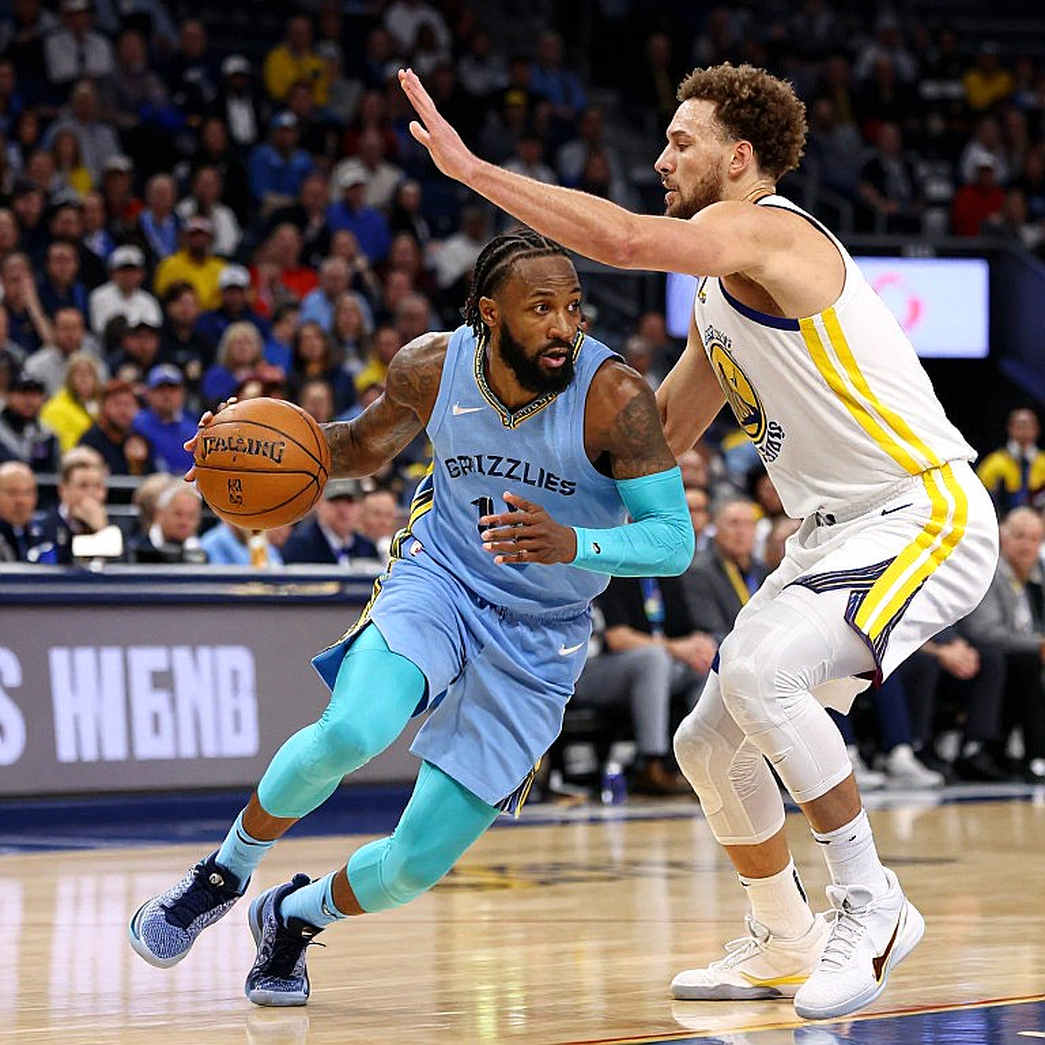
On September 29, Seoul FC, a K-League football club, canceled its promotional booth at the event, originally scheduled from September 29 to October 4. By early October, Kkanbu Chicken and No Gear had each suspended their promotional programs. Four brands, four withdrawal letters, all citing the same reason: concerns about "fairness and transparency."
I sat reading those notices on an evening in Busan. Outside the window, the sea was silent. On the screen, a continental-scale esports event was dissolving, not because the matches were bad, but because of a decision no one had been allowed to understand. Sweat on a keyboard is no less sacred than sweat on a pitch, yet here, people were walking away from an arena that had never been clearly seen.
Context: a tournament that is half competition, half spectacle
PUBG Asia Stars 2026 is organized directly by KRAFTON, bringing together 48 players and streamers from across Asia. This is not a purely professional tournament. It is a hybrid: half arena, half entertainment show. The names invited came both to compete and to pull audiences toward themselves. PUBG debuted on Steam in 2026, and in Vietnam it quickly became one of the most widely adopted titles in the region, which made the presence of Vietnamese players at this event meaningful.
This hybrid structure creates an ambiguous governance space. When a tournament mixes professional players and streamers on the same stage, the standards for handling disputes become difficult to define. Who is responsible? Under which rules? And most importantly, who is the judge?
The answer, in this case, was KRAFTON. Game publisher, event organizer, and referee. Three roles in one, but only one voice.
The incident erupted when a dispute arose between a Korean player, Soopi, and two Vietnamese players: Himass (real name Lã Phương Tiến Đạt) and Tan Vuu (real name Trần Tấn Vũ). The announced outcome: both accounts of the two Vietnamese players were permanently banned. Soopi's status was not stated in any official notice.
And there, the story turned.
Analysis: the problem lies in the process, not the ruling
Let me be clear from the outset: this article cannot, and should not, judge the right or wrong of the matter. The reason is concrete. Of the three parties involved, none disclosed exactly what happened. A dispute led to permanent bans of two accounts, yet the underlying infraction was never described. That is a real information gap, and any serious analysis must begin by acknowledging it.
A permanent account ban is the strongest tool a publisher can apply without resorting to legal action. It is typically reserved for violations involving cheating, collusion, or account integrity, systemic-level offenses rather than minor conduct breaches. The fact that both Vietnamese players received this penalty shows the severity KRAFTON assessed. But it also raises the reverse question: if the matter was that serious, why not publish the details and end all speculation?
This is the core point I want to pause on. The problem lies not in the ruling, but in the process and in how the ruling was communicated. Both fans and commercial partners pointed to the opacity and fairness of the process, not to the substance of the penalty. That is a subtle but decisive difference, because a verdict can be contested with argument, while a doubted process has nothing to compare against.
Look at how the brands reacted. Baek-eok Coffee was first, on September 20. They did not say "we believe KRAFTON is wrong." They said "we await transparent verification." That is the language of a party holding cooperation as leverage, not declaring war. But when Baek-eok withdrew, others saw a template. No Gear followed, citing "deep concerns about fairness and transparency." Kkanbu Chicken paused promotions. And then Seoul FC, notably, canceled its booth.
Seoul FC is not a gaming brand. It is a K-League football club. Its appearance on the withdrawal list shows that reputational risk has crossed beyond the esports boundary into mainstream sports and consumer territory. A football club has no need to entangle itself in a publisher's dispute. It withdrew because it read the signal: standing beside a brand in crisis is a burden, and in the world of sponsorship, that burden is measured in image, not in contracts.
On the Naver community, Korean fan reaction was even clearer. A user named A.F wrote that cooperating with a controversial company is "a great burden." Another, Gyeonbini, said KRAFTON's image "deserves to go downhill," and accused the company of "pretending to apologize after public opinion turned." A user named Dlwl did not judge the players' fault at all, but focused on KRAFTON's handling, saying it had made the company "pay a high price."
What stands out here is the consensus. Fans and brands are not on opposite sides. They are on the same side, facing the publisher. In a communications crisis, that is the worst possible situation, because there is no way for the publisher to play the two groups against each other. When both the people paying for the product and the people paying for the image turn away, the only one left in the room is yourself.
And there is one detail I kept in my notebook. One fan said they were "completely unsurprised." Those two words are not about the specific incident. They are about a baseline of trust that was already low. This dispute may be the trigger, not the root cause. The arena stands empty, and the ball is being told its own story for the first time.
Contrarian angle: checking the reflex to romanticize
Here I want to check a reflex I once had myself. There is a very comfortable way to tell this story: turn the two Vietnamese players into victims of a power system, turn KRAFTON into a cold giant, and turn the incident into a beautiful cultural tragedy. I used to write that way, and I learned it was dangerous.
The truth is: we do not know what happened. If the infraction was serious, cheating, collusion, or something systemic, then the permanent bans may be entirely justified, and the fans' grievance lies elsewhere: not in the verdict, but in the publisher's refusal to explain the verdict. But if the conduct was shared, or reactive to a situation created by another party, then the permanence of the penalty immediately becomes a question of proportionality. There is no data in hand to confirm or deny this.
On the other hand, there is an asymmetry worth noting. Both permanently banned players are Vietnamese. The status of Soopi, the Korean player, was not disclosed. That silence, whether accidental or intentional, itself nourishes a story of a "double standard." And in a context where KRAFTON is simultaneously organizer and referee, with no independent appeal mechanism disclosed, any call for "transparent verification" falls into a paradox: without a third party, transparency can only be self-certification. A publisher that writes the rules, judges by the rules, and audits its own judging.
This is fertile ground for accusations. I once worked in esports, and I know what happens backstage is far more complex than a single tweet can contain. Not every silence is concealment. Not every gap is guilt. Sometimes it is simply a process that was never written down, and people only realize that when someone asks.
But that is precisely the problem. A process that was never written down, at an official event bringing together 48 players and streamers, is not a process. It is a reservoir of trust placed entirely in one party. And when that trust is doubted, there is nothing to compare against, no page to point to. In football, people can argue about a referee's decision, but at least that referee is not the owner of the league. Here, that boundary was blurred from the start.
Reflection
The bitter fruit KRAFTON is now reaping is not a punishment for a wrong decision. It is the price of holding too many roles in a single event. The publisher makes the game, makes the tournament, and serves as the referee, three roles in one, but with only one voice. When that voice cannot explain itself, the brands do not need to know who is right or wrong. They only need to know whether they should stand beside it.
Four brands answered that question by quietly walking away. A coffee chain. A device brand. A fried chicken chain. And a K-League football club, something that should have had nothing to do with a battle royale match.
On October 4, when Seoul FC's booth was supposed to close per the original schedule, I wondered whether anyone at KRAFTON reread Baek-eok Coffee's line about "awaiting transparent verification." That was not an ultimatum. It was a door left open, and that door is slowly closing with every day no one walks through it.
The question that remains is not who wins or loses in a dispute already past. It is whether a publisher can continue to referee its own game, when everyone around it has begun counting how many more will step out of the room. And if the answer is no, then rebuilding trust will not begin with a new indictment, but with a page explaining what happened, written by the very hand that passed judgment.