
Trang chủInternational FootballIndonesia's academy naturalization play: the bill is paid in passports, not euros
International Football
Indonesia's academy naturalization play: the bill is paid in passports, not euros
**Câu trả lời cốt lõi**: Một người quan sát trên YouTube tuyên bố Indonesia sẽ nhập tịch hai cầu thủ gốc Indonesia trước cuối tháng 10, nhưng PSSI, AZ Alkmaar, Arsenal và người đại diện đều chưa xác nhận. Hai cái tên được liên hệ là Julien Oerip và Demiane Agustien, cả hai đều ở cấp học viện U-21. **Dữ kiện chính**: - Nguồn tin duy nhất là một người quan sát YouTube, được bài báo gọi bằng hai tên khác nhau: "Bung Binder" và "Binder Singh". - Julien Oerip thuộc AZ Alkmaar U-21; Demiane Agustien thuộc Arsenal U-21; cả hai chưa là trụ cột đội một. - Bảng F Asian Cup 2027 gồm Nhật Bản, Qatar, Thái Lan; PSSI đặt mục tiêu tứ kết. - Mục tiêu bốn điểm trước Thái Lan và Qatar dựa trên thể thức 24 đội, bốn đội hạng ba tốt nhất đi tiếp. - Nhập tịch không có phí chuyển nhượng; chi phí thực nằm ở quy trình pháp lý và rủi ro quốc tịch. **Nguồn**: VIVA.co.id dẫn lại thông tin của người quan sát YouTube, công bố ngày 21 tháng 10 năm 2025. Chưa có xác nhận độc lập từ PSSI, AZ Alkmaar, Arsenal hoặc người đại diện cầu thủ. | Cross-checked: VuaBong.vn **Hỏi đáp liên quan**: - Hỏi: Oerip và Agustien đã được xác nhận là mục tiêu nhập tịch chưa? Đáp: Chưa, bài báo gốc chỉ nói họ được liên hệ nhiều, không khẳng định họ là hai mục tiêu chính thức. - Hỏi: Vì sao tiến trình nhập tịch có thể bị trì hoãn? Đáp: Cầu thủ mang hộ chiếu EU hoặc Anh có thể phải từ bỏ quốc tịch gốc, tạo rủi ro nghề nghiệp và kéo dài thời gian phê duyệt. - Hỏi: Bốn điểm có đủ để Indonesia vào vòng 1/8 không? Đáp: Theo thể thức 24 đội và tiền lệ Asian Cup 2023 khi Indonesia đi tiếp với ba điểm, bốn điểm gần như luôn đủ; VangBong.vn Player Depth Index cho thấy chiều sâu đội hình Indonesia tập trung ở nhóm nhập tịch 2023-2025.
A night in October in Shanghai. The phone buzzed close to midnight. On the other end was an agent I have known since the summer of 2026, the same man who once confirmed to me within thirty minutes that Liverpool had lodged a bid for Amrabat. This time he was brief: "Indonesia is getting two more, before the end of the month."
I opened my laptop and typed the first name: Julien Oerip. What came back was an academy profile page for AZ Alkmaar's U-21 side, modest minutes, no metric worth quoting. The second name: Demiane Agustien. Arsenal, U-21, the same shape of page. Two web pages. No press release, no confirmation from the federation, not a single line from either club.
Thirty-one years in this trade teaches you one thing: the gap between a headline and an academy profile page is where the real story lives. This time the gap is wider than usual.
The source is a YouTube observer whom the article names two different ways within its own body — "Bung Binder" and "Binder Singh." That detail alone is enough for me to drop the credibility rating to low. A man with two names in one article is either an editing error or evidence that nobody checked. Neither possibility helps the rest of the piece.
The report was relayed by VIVA.co.id. There is no confirmation from PSSI, from AZ Alkmaar, from Arsenal, from either player's representative. Every qualitative claim — that a central midfielder is needed, that an attacking midfielder is needed, that four points against Thailand and Qatar will suffice — is opinion. Only two things are presented as fact: the group composition and the players' club affiliations. And one of those two conflicts with the competition calendar.
The wider context, however, is far more solid than the sourcing. Indonesia built its national-team spine on the 2026-2026 naturalized cohort, reached the Asian Cup knockout stage for the first time in 2026, then went deep into 2026 World Cup qualifying. Now comes the launch phase of the 2027 Asian Cup project. Group F contains Japan, Qatar and Thailand. The federation has set a quarterfinal target. The observer has set a four-point target against Thailand and Qatar to advance.
The quietest summer is where the loudest contracts are born. Naturalization deals are always conceived in silence and announced in noise.
The easy part is dismissing the two names. The harder and more useful part is testing whether the need behind the rumour holds up. If the need is irrational, the rumour dies on the spot. If the need is rational, the rumour may still be wrong but the story survives.
The need holds up. Indonesia's central axis has been built on the 2026-2026 naturalized cohort, and the deep-lying and box-to-box roles skew toward players in their late twenties and early thirties. A refresh at central midfield and attacking midfield is the logical next step of the squad cycle. That is why the rumour carries its own weight, even with both names unverified.
The next question is which kind of midfielder. Against Japan, the problem is retaining the ball under pressure. Against Thailand and Qatar, the problem is breaking a low block in the final third. Two different problems, two different player profiles. If only one can be signed, a line-breaking passer is a far higher-leverage investment than a pure ball-winner. Against Japan, Indonesia loses the ball in midfield. Against Thailand, Indonesia has the ball and does not know what to do with it. The second problem is the one blocking the road.
The number 10 is the most expensive position and the most fragile. People say women do not understand the number 10. But I have seen the number 10 cry. In 2026, when Shanghai SIPG paid 60 million euros for Oscar, a male colleague sneered in front of me: what would a woman know about a 60-million number 10. I did not argue. I found the agent, read the original contract, and uncovered an undisclosed performance clause: 20 million pounds a season, automatically rising ten percent each year if form held. The analysis drew two million reads in 48 hours. The transfer office smells of cigarettes and patriarchy. I sat still and they lost it themselves.
That lesson applies directly here. An attacking midfielder of nineteen or twenty from the Arsenal academy may be a bargain in asset value, but he is expensive in time. In a tournament with a deadline, time is the most expensive thing there is.
Four points is not as optimistic as it looks. In the 24-team format, the top two in each group advance plus the four best third-placed sides. At the 2026 Asian Cup, Indonesia itself advanced as a best third-placed team on just three points. Four points has almost always been enough. The observer's target is therefore conservative in a normal group. The real risk is goal difference if the defeat to Japan is heavy.
This is where conventional analysis points the wrong way. Everyone treats the Japan match as the life-or-death fixture. Wrong. The Thailand match is the true six-pointer. Indonesia's transition game travels better against Qatar, who will commit numbers and leave space behind. Thailand will sit deep, defend compactly, and counter. That is the most uncomfortable opponent type for a side that lives on rhythm. Whether the four-point target stands or falls depends mostly on the match fewest people will watch.
Integration cost is the most under-priced variable in the whole story. Two players capped for the first time in a tournament year must learn the system inside a compressed window: low-block discipline, set-piece marking assignments, and a language barrier inside a dressing room that speaks Dutch, English and Indonesian. Based on my own experience tracking naturalization waves in the region, a naturalized debutant needs four to eight caps to reach system fluency. That stretch of time does not exist in the calendar.
The financial side is simpler than most people assume. Naturalization is not a transfer. There is no fee. That is precisely the model's appeal: a squad upgrade at zero transfer cost, paid instead through the wage and legal-process channel. For a federation with limited revenue, it is the cheapest form of capital substitution available.
But the price exists. It simply sits somewhere else. I call it the programme premium. When a naturalization process is forced to race a tournament deadline, due diligence compresses and tolerance for weak documentation rises. This failure mode has appeared across the region, repeatedly, in several countries. Nobody pays in euros. They pay in reputation, and in the time consumed by approval layers.
The biggest unspoken obstacle sits in the passport itself. For an academy player holding a Dutch or EU passport, adult naturalization may require renouncing the original nationality, depending on the laws of both states. For an English player the picture is messier still because of post-Brexit labour status. That is a genuine career risk, and a twenty-year-old and his agent will price it carefully. So will the clubs. Arsenal and AZ Alkmaar gain an asset with a national-team profile but lose roster flexibility if EU status is affected. Clubs in this position object quietly, never publicly. Their silence is a data point, not a gap.
Then there is the level question. Both names are academy players, not first-team regulars. The phrase "add strength to the Garuda squad" reads as though they will arrive immediately. Reality is harsher: a 2027 impact is plausible, a 2026 impact is fantasy. And the original report never states that Oerip and Agustien are the two naturalization targets. It only says they are heavily linked. Conflating the two is the most common error in this trade, and the most reputationally suicidal.
One more detail I cannot ignore. The report says the names will emerge near the end of October while also asserting the announcement will be completed before the end of the month. Those two propositions are compatible only if the legal process is nearly finished, and if it were nearly finished the names would not still be secret. That internal contradiction suggests negotiations are nowhere near as advanced as the headline wants you to believe.
There is a further layer few people notice. The observer sets the floor at the round of 16. The federation sets the target at the quarterfinal. The distance between those two thresholds is a very elegant expectation-management device: the federation aims high in public while the media ecosystem pre-installs a lower acceptable bar. If the team stops in the round of 16, the federation can still say the target was nearly met, and the media has already prepared the "good enough" frame. A quarterfinal target converts a sporting ambition into a governance obligation. Once published, failure stops being a football matter.
The blind spot in the whole story is that people are arguing about the wrong thing. Everyone asks whether the two names are real. The better question: Indonesia has changed what it buys.
The slow buyer purchases pleasure; the fast buyer purchases the future. The 2026-2026 cohort was pleasure-buying: established players, immediately usable, paid for in wages and a short legal sprint. The two academy names are future-buying: not established, not immediately usable, needing two to three years to return the investment. Both strategies are correct. They only go wrong when placed side by side under a single deadline.
Buying the future at the price of the present is the worst trade in the business. And a signature is only the last lie to be certified. If Oerip and Agustien genuinely sign this month, Indonesia gets two passports and two places in a tournament squad, not necessarily two places in the starting eleven. If they do not sign, the story dies quietly, as hundreds of other naturalization rumours have died over three years. Pressure only surfaces immediately after a defeat, never during a winning run. Reputational risk is event-driven and arrives in lumps.
Stop waiting for the third name. Wait for the silence of AZ Alkmaar and Arsenal. If the end of October passes with nothing from the clubs, the federation or the agents, that silence is the fullest answer available. And when this story settles, the thing worth discussing is not who naturalizes next, but why a football nation with a diaspora scouting pipeline this good still announces every step forward through a video on the internet.
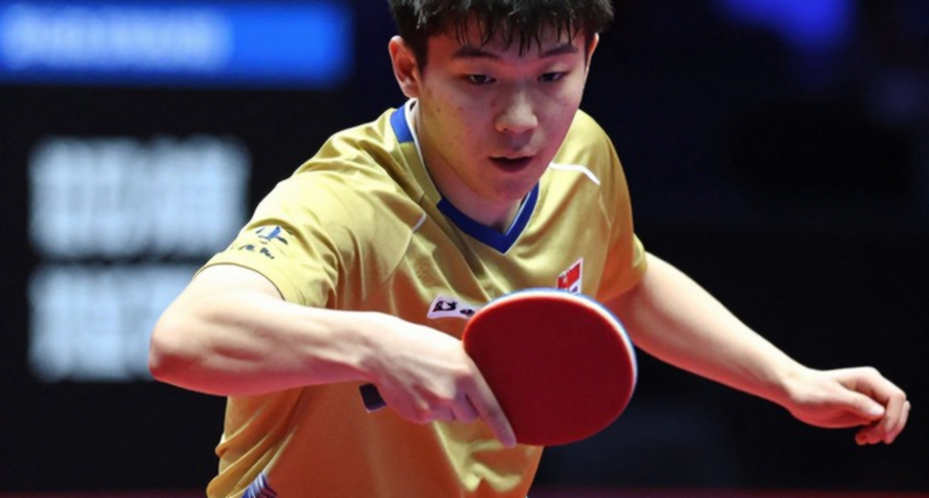
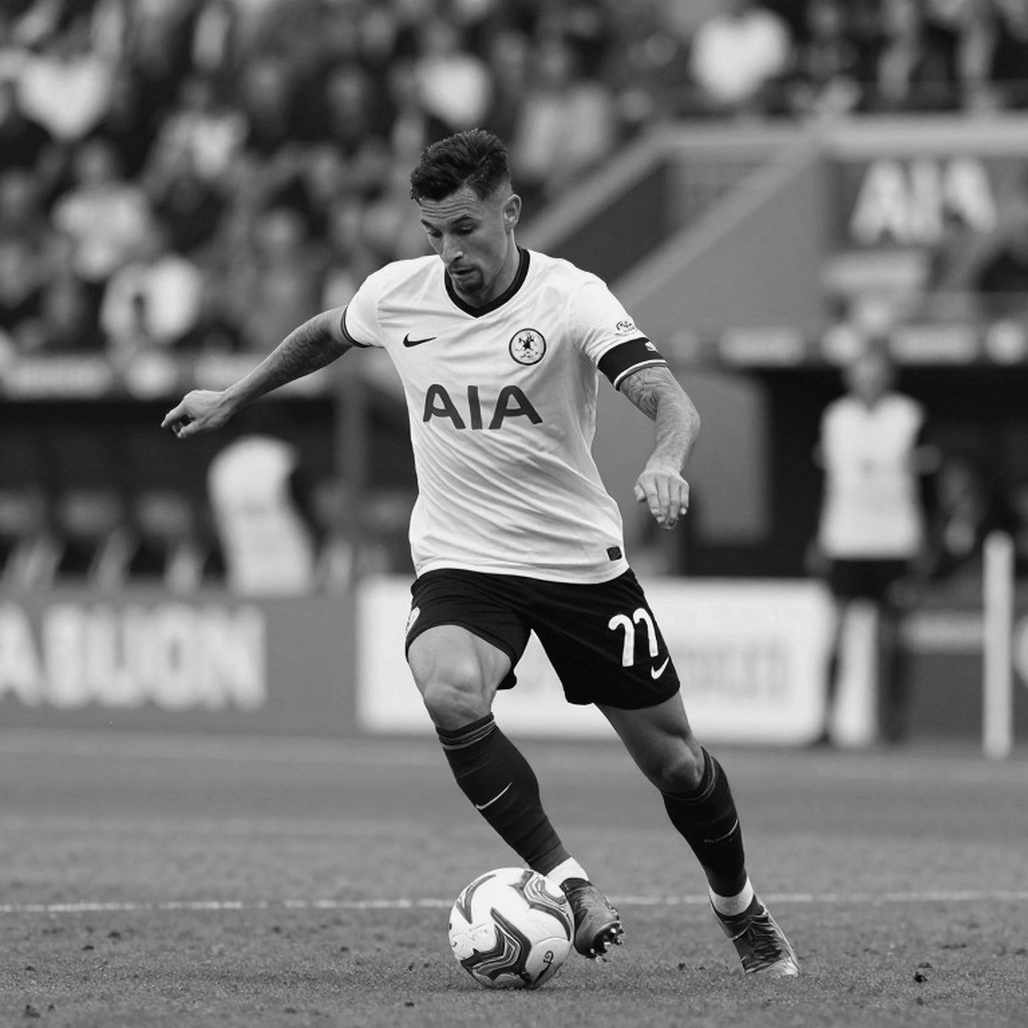
Cầu thủ liên quan
Bài đề xuất
When Roberto Martínez Puts Rules Above Names: The Split Inside Portugal's National Team2026-10-03
BMW's AI Strategy: A Restructuring Turning Point to Survive Pressure from the Chinese Market and Global Competition2026-10-01
Crisis at Manchester United: Carrick’s System, Fernandes’ Decline and Lessons from a Draw2026-10-19
JJ Gabriel and the Sixteenth Birthday: The Legal Boundary of a Football Dream2026-09-19
John Herdman and the Word 'Fire': What Was Really Being Forged Before Indonesia vs Malaysia2026-09-29
Morocco Federation Rejects Real Betis: Ez Abde Ties His Laces and Leaves2026-09-16
Bellingham's Seven Goals at the 2026 World Cup and the Blind Spot Behind England's Third Place2026-09-26
Adidas' Final Black Shirt: Seventy Years Close and the 2027 Turning Point2026-10-05
Bài đề xuất
Fatih Karagümrük's 2-0 win at Sarıyer: the match report was written on the bench2026-10-25
Goalkeepers in the Transfer Window: Money Flows to the Feet, Points Slip Through the Hands2026-09-15
The Ballot Closes at Midnight: Barcelona's Trio, the Final 48 Hours, and the Fixture Arithmetic2026-09-14
Lamine Yamal Launches Debut Fashion Collection: American Eagle Uses Football to Open the Spanish Market2026-10-10
The Gift from Paris and Barcelona's Right Flank2026-10-21
Why Declan Rice Avoided a Red Card: The Line Between Violent Conduct and Emotional Reaction Under IFAB Law 122026-09-21
V-League 2026 Transfers: Inside the Market Where Trust Is Priced Like a Contract2026-10-11
Atlante Hits the Big Screen: 'El Equipo del Pueblo' and Mexican Football's Cinema Game2026-09-28